Sunsies Studio brand building
Rethinking digital craft by building a 3D printing brand
Branding
Strategy
Trend analysis

Overview
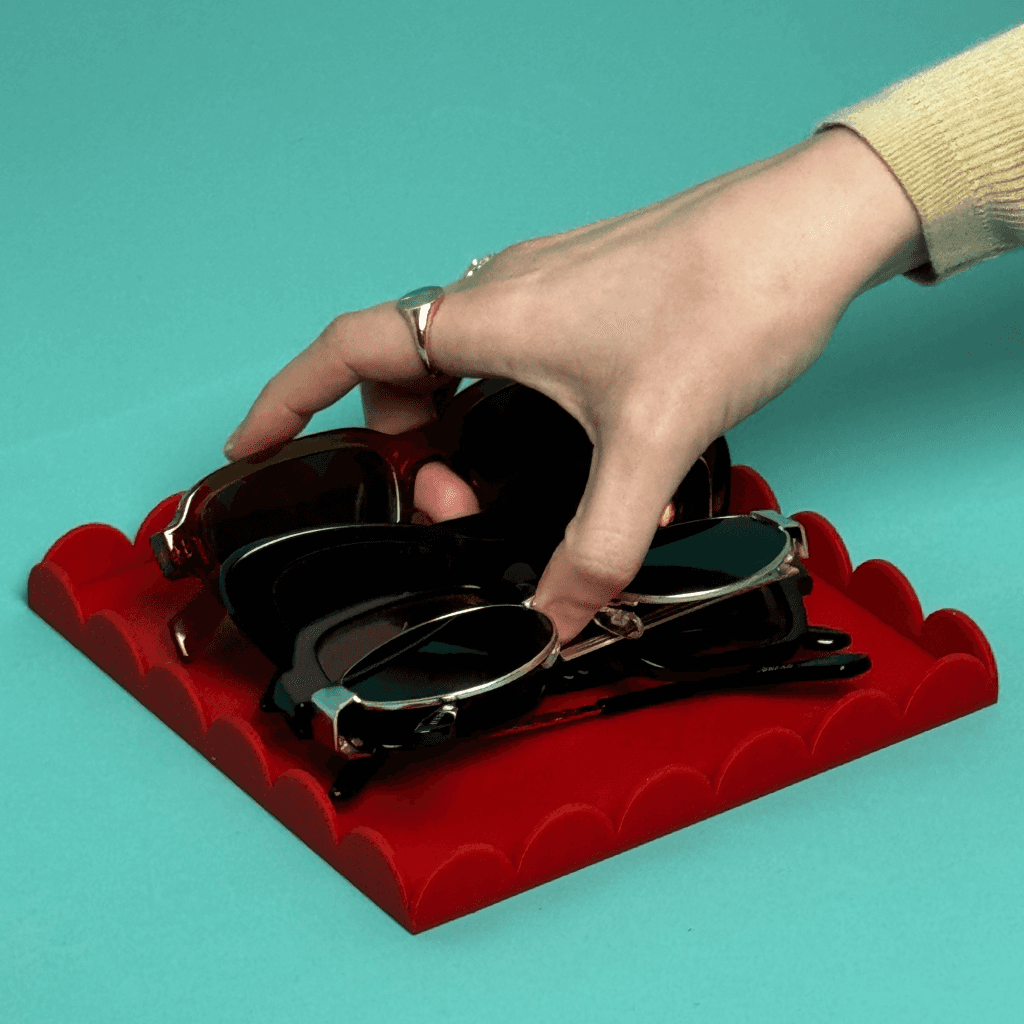
Sunsies Studio began as a small personal experiment after I bought a 3D printer and got obsessed with creating my own home decor.
Each collection lived on Shopify and Etsy, and grew through simple small business content on Instagram, TikTok, YouTube, Pinterest and a small newsletter. Instagram was the platform the brand was most active on, take a look here.
Brand story
As stated in this YouTube video I posted, most 3D printed objects look engineered. They feel efficient precise and a little bit cold. I wanted the opposite. I wanted pieces that felt familiar and soft and full of small emotions, and since I started learning 3D modelling to print my own creations, it felt right to start my own brand.
The challenge was to see whether a tiny digital studio could create objects that carried story and nostalgia instead of looking like things that came straight out of a machine. Could 3D printed objects become craft? Could digital making feel personal?
Sunsies became my way of exploring those questions, and whether there was a demand for it.
Cultural shifts
Digital making is everywhere but it often feels cold and optimised. At the same time people are craving small joys and familiar rituals. They want decorating moments that feel personal not mass produced. They enjoy craft but they also enjoy digital creativity. Sunsies sits right in the middle of this shift.
The cultural tension is clear. Digital making promises speed and precision, craft lives in slowness and feeling, so the opportunity for Sunsies was to show a bridge between the two. To demonstrate that digital craft can be emotional and nostalgic when it is guided by story instead of scale.

Strategic positioning
The strategy was: Make digital craft feel intimate and joyful.
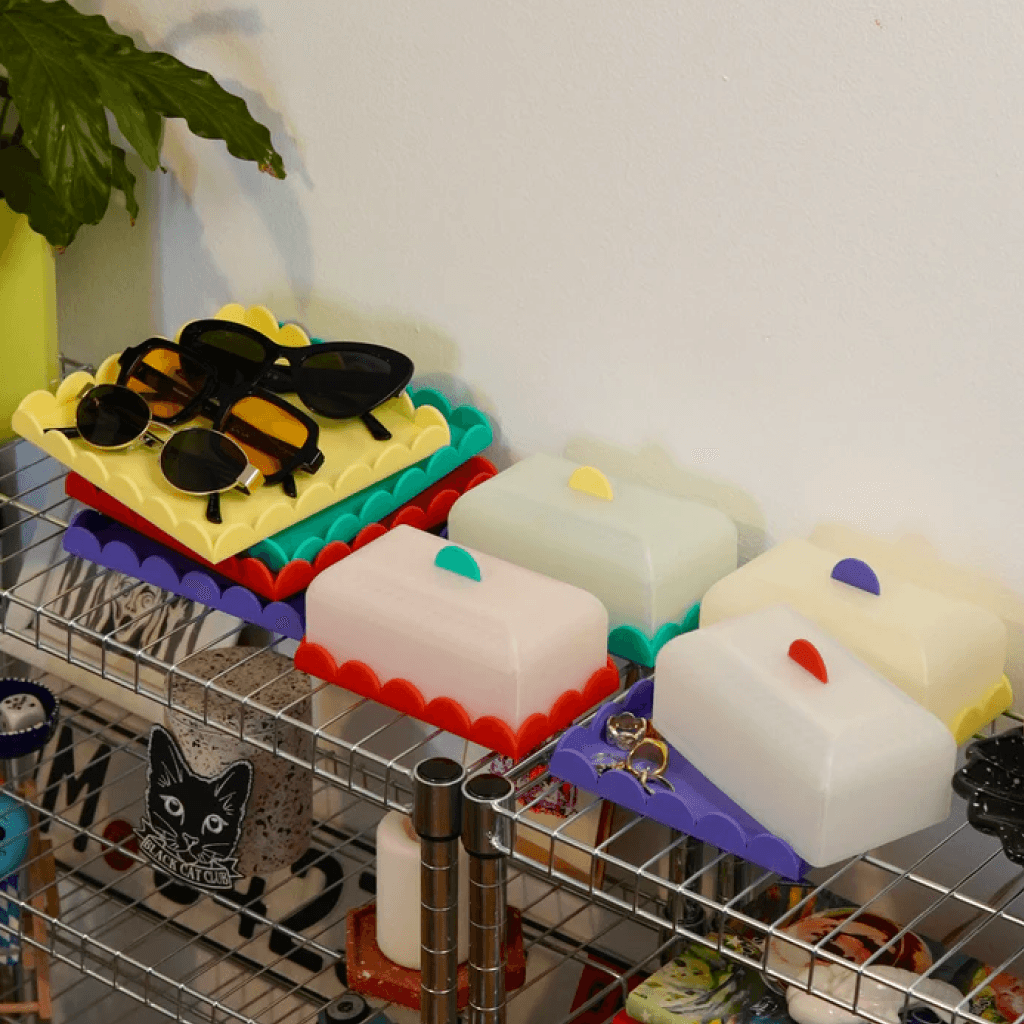
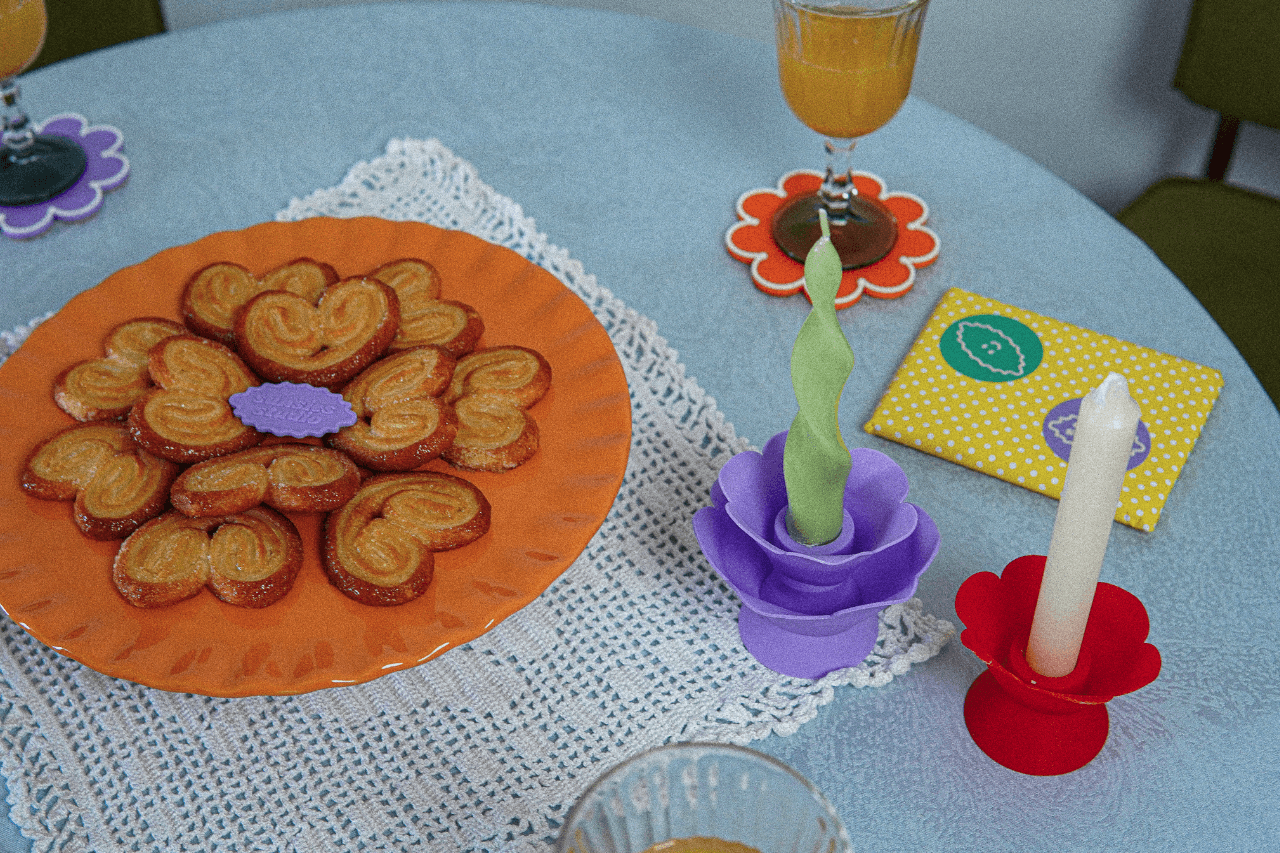
I positioned Sunsies between dopamine decor and nostalgic memories. The objects had toy like silhouettes, soft palettes and a feeling of lightness. They were meant to feel like tiny rituals something you enjoy seeing on your table or gifting to someone.
Each release was treated as a small chapter with its own colour story copy and mood. On socials, I shared inspiration process and even mistakes to make the work feel personal rather than perfect.
Brand Identity
The identity grew from the feeling I wanted the objects to express. Sunsies as a name carried sunlight and a sense of snackable joy and it was tied to my surname (Solés) which made it feel personal.
The visual world followed that idea. Pastels that don't feel too soft nor boring, rounded type and friendly shapes.
The tone of voice was warm and a little cheeky never too polished never too serious.
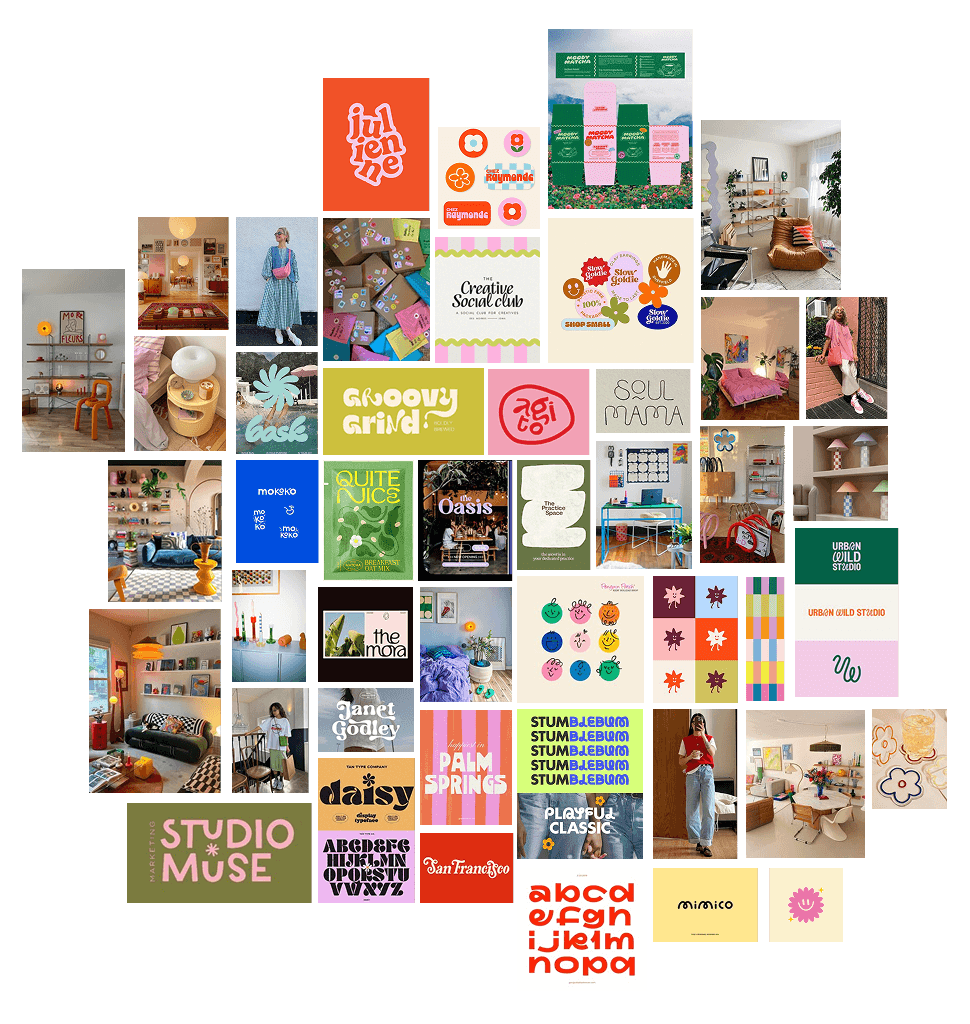
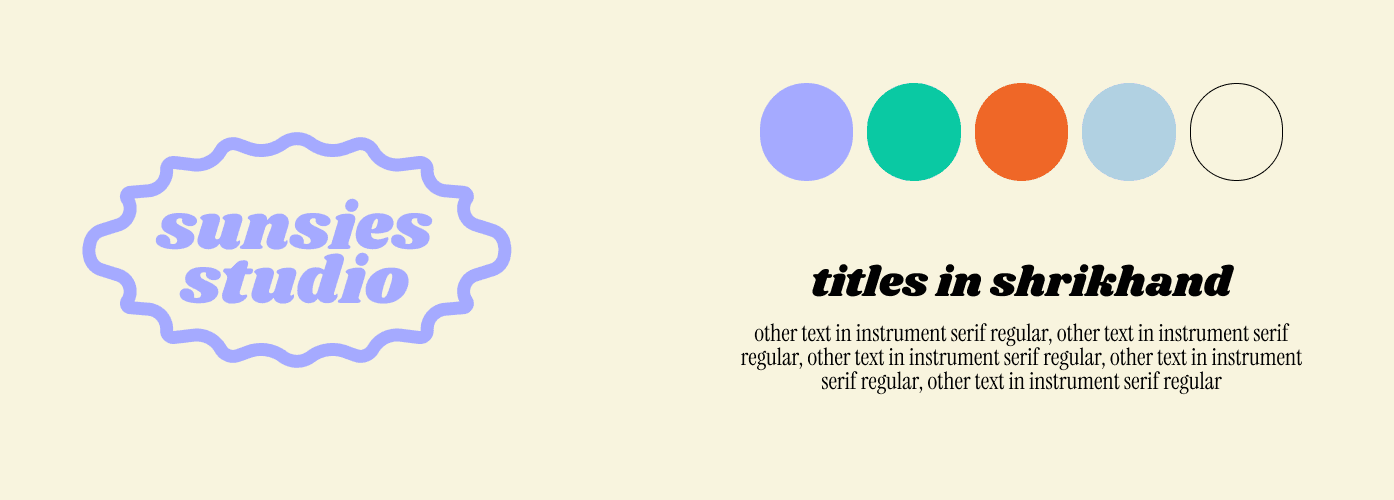
The identity existed to show that a small studio could make digital craft feel friendly and familiar. The visuals did not try to look like tech. They tried to look like memories. Sunsies was never about perfection. It was about presence.
Storytelling and approach
Storytelling in Sunsies came from real moments in my life.
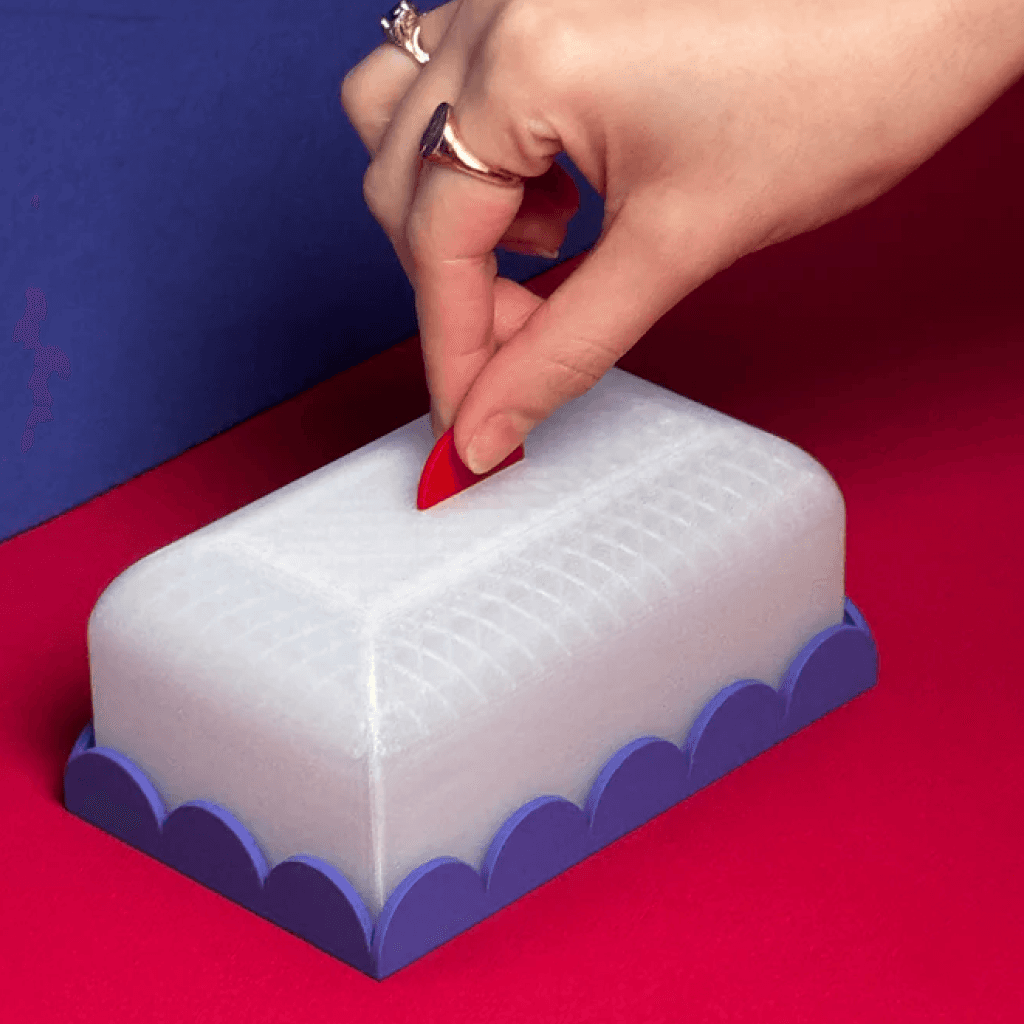
The Scalloped collection grew from my love for dessert and the small rituals that make a home feel warm.
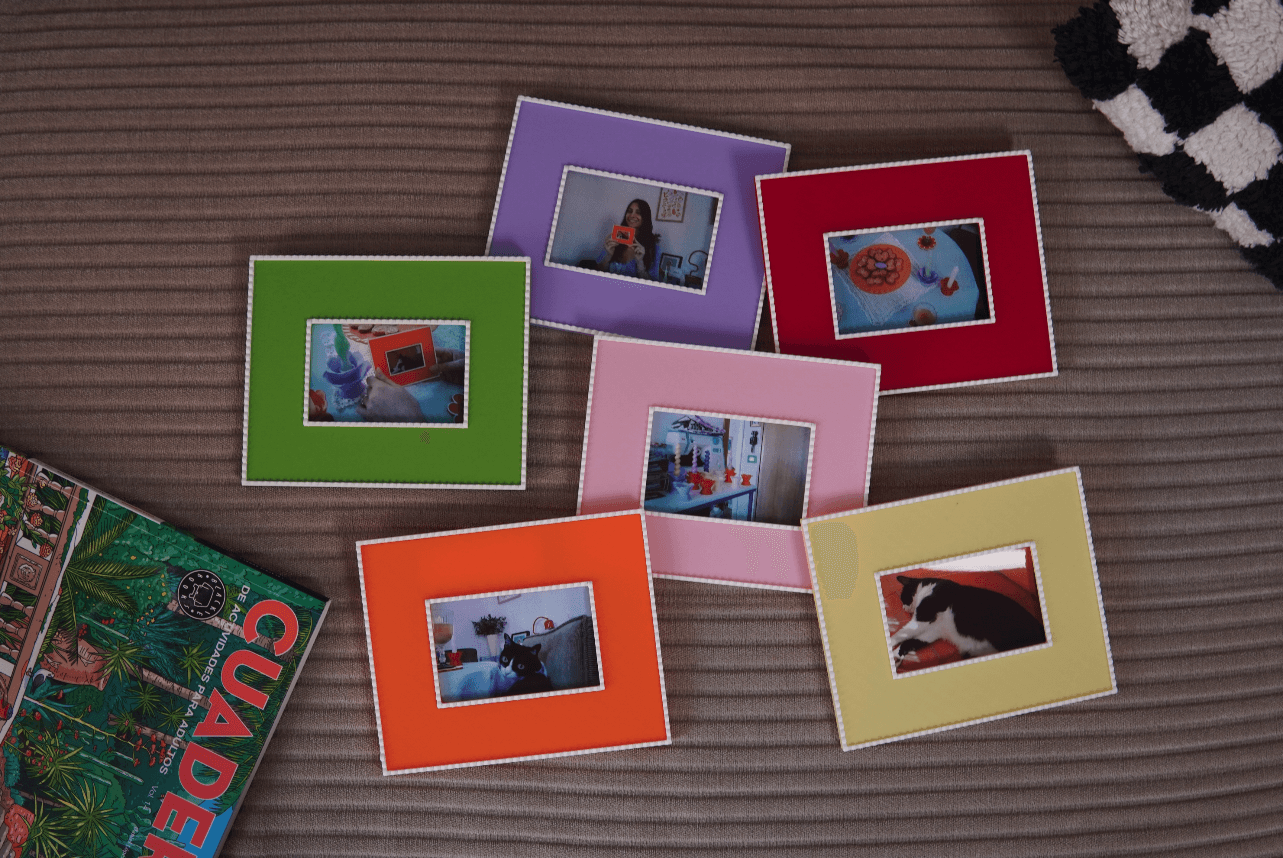
Take a Seat was even more personal. It was my way of inviting people into my world and sharing the little memories behind the objects. The content reflected that intention simple studio moments short videos and small notes that explained the feeling behind each release.
Website
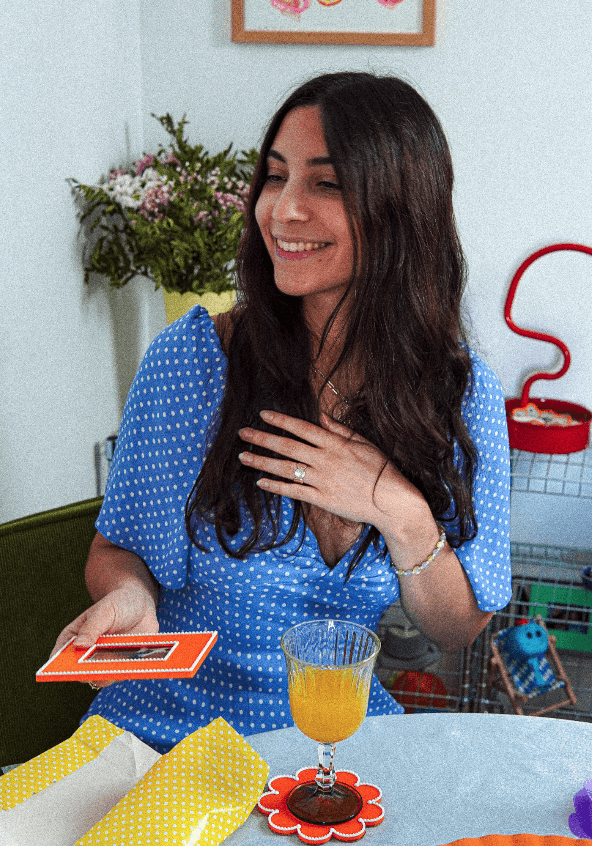
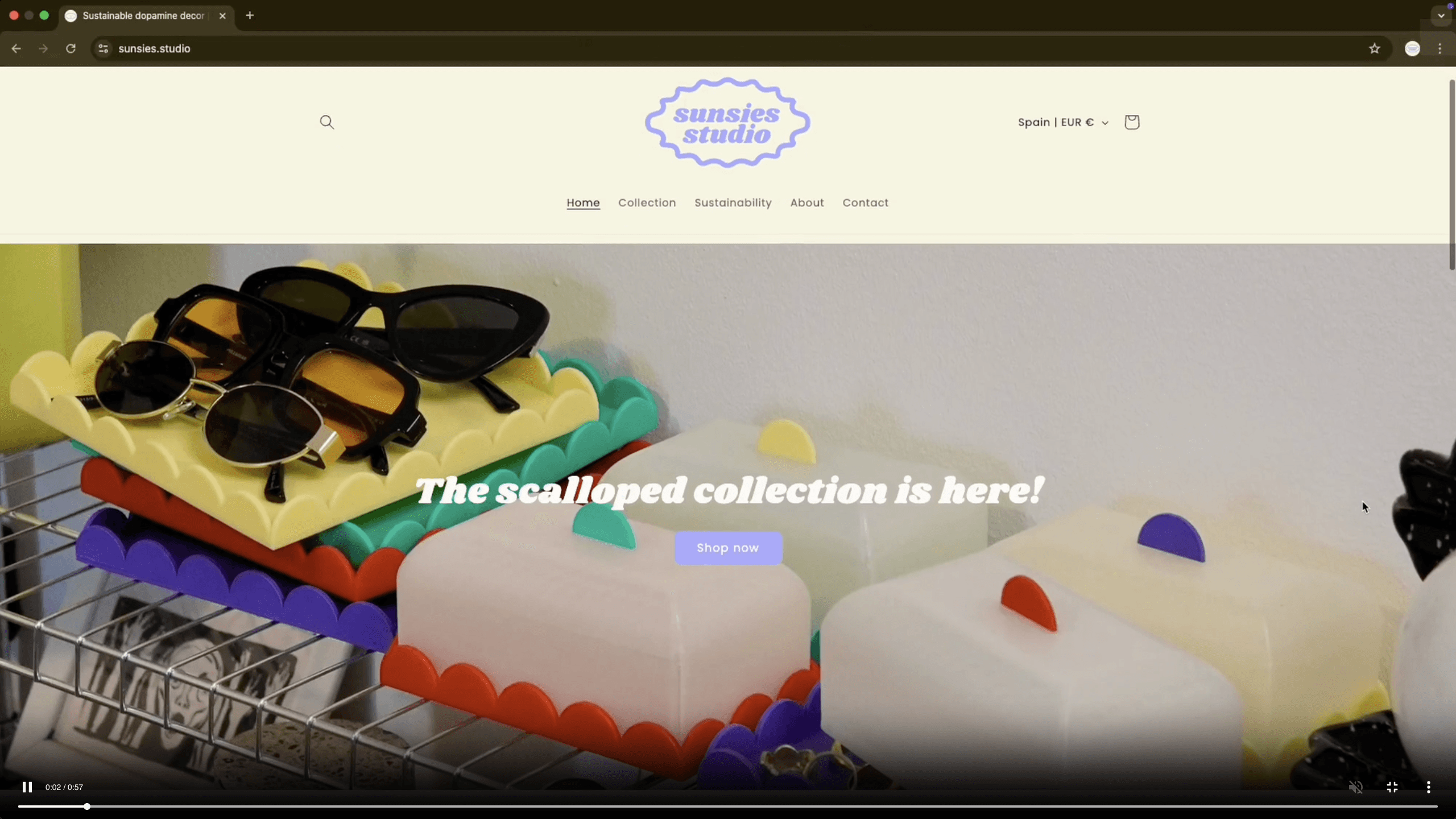
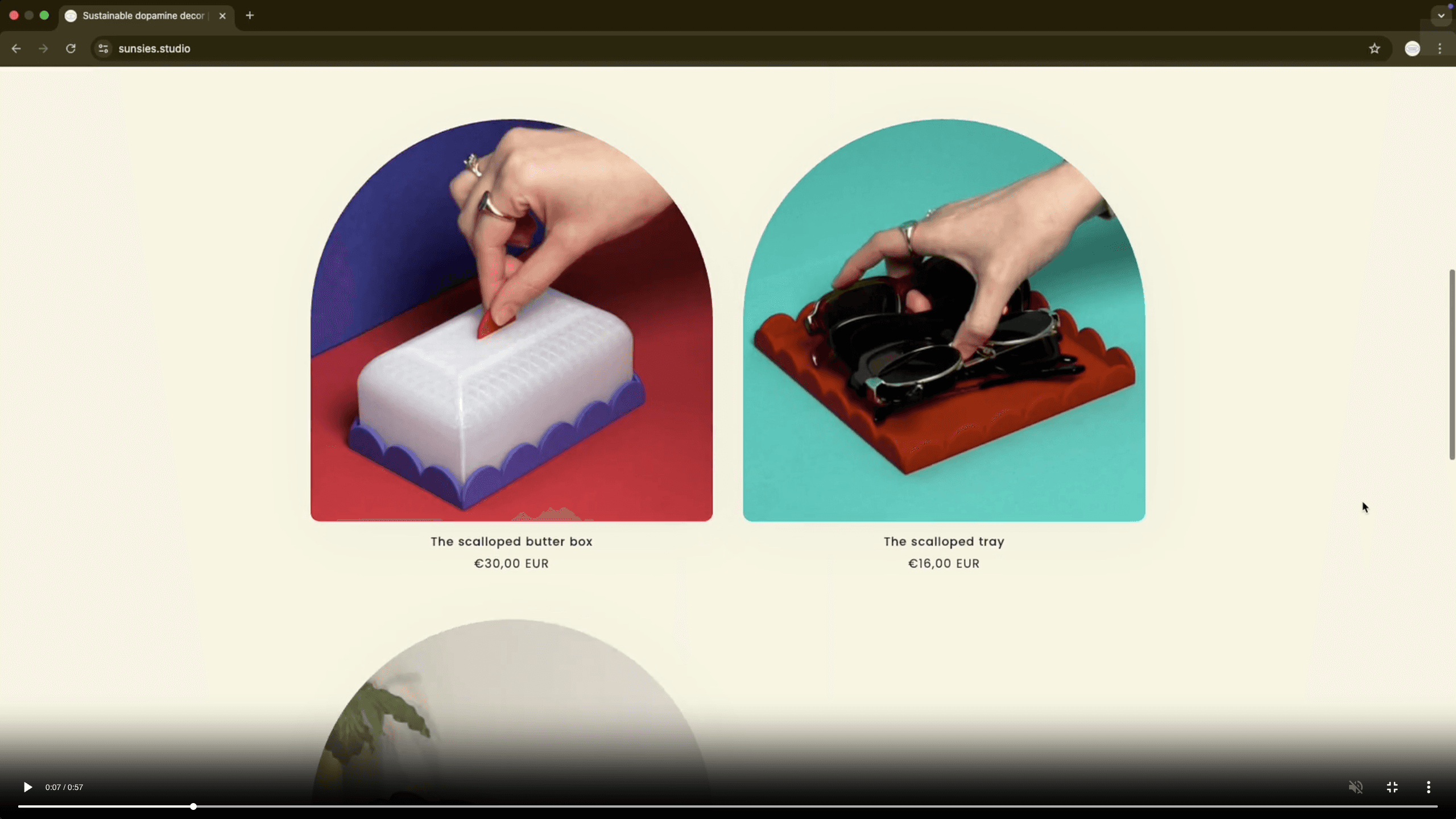
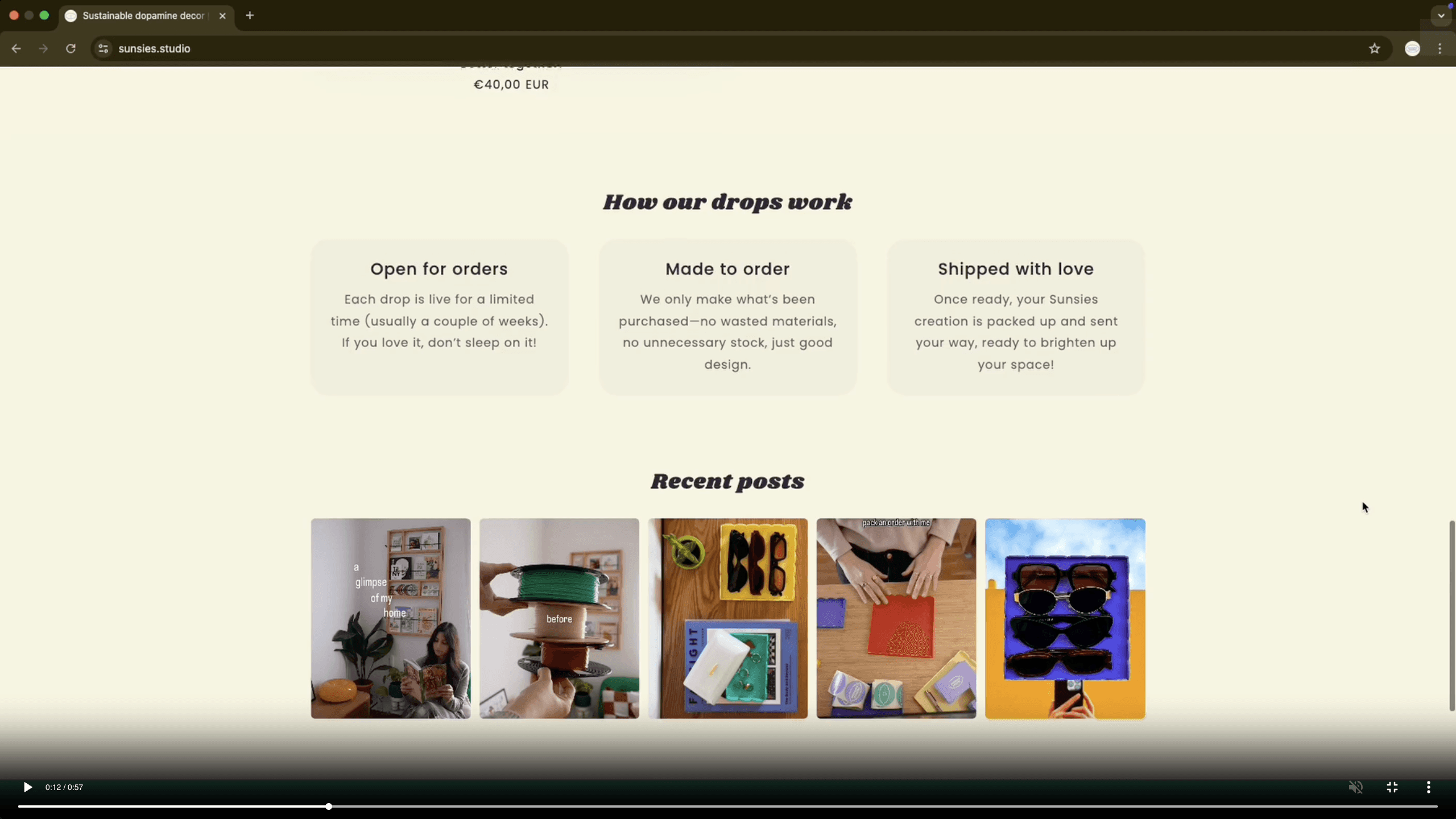
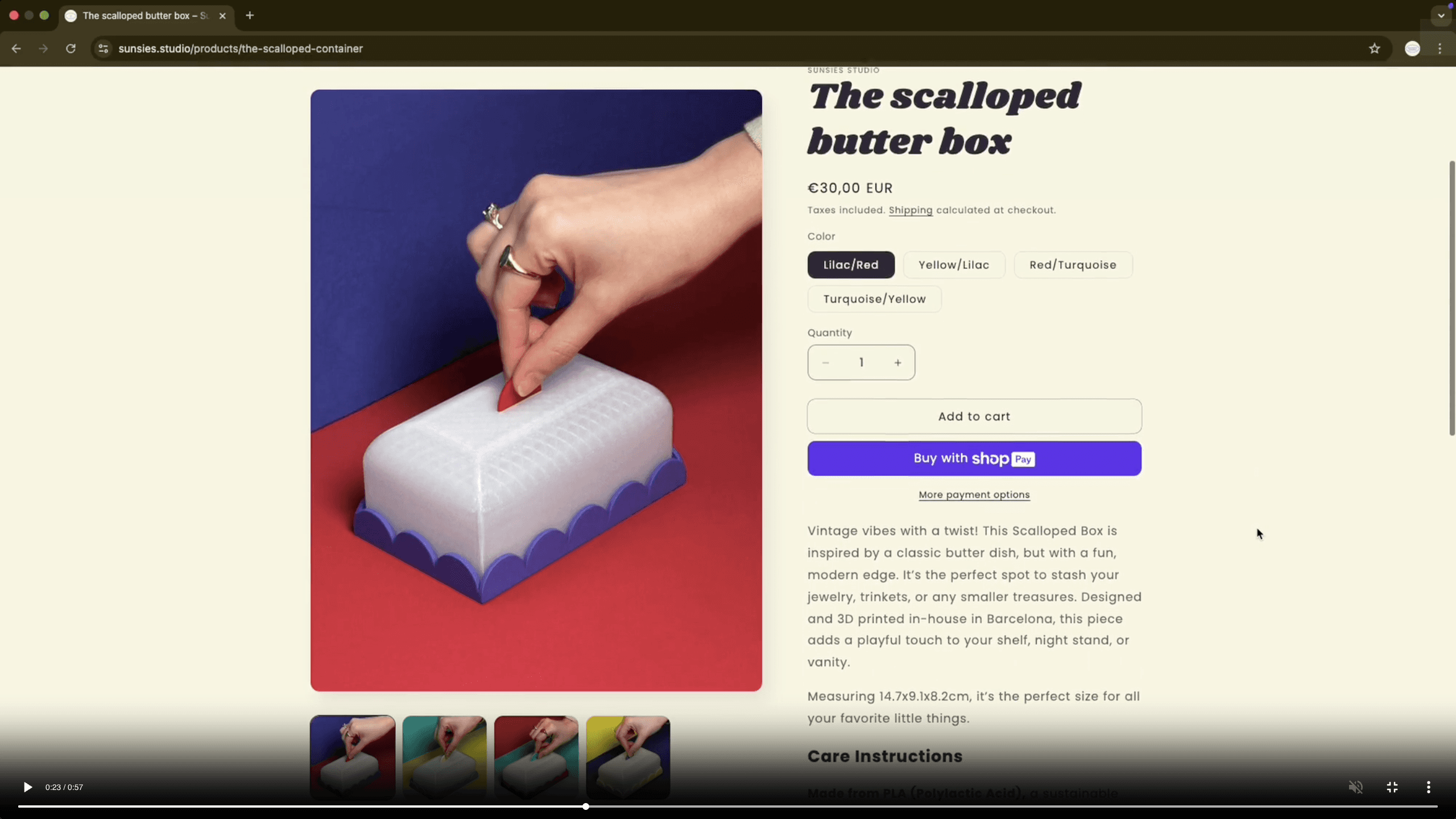
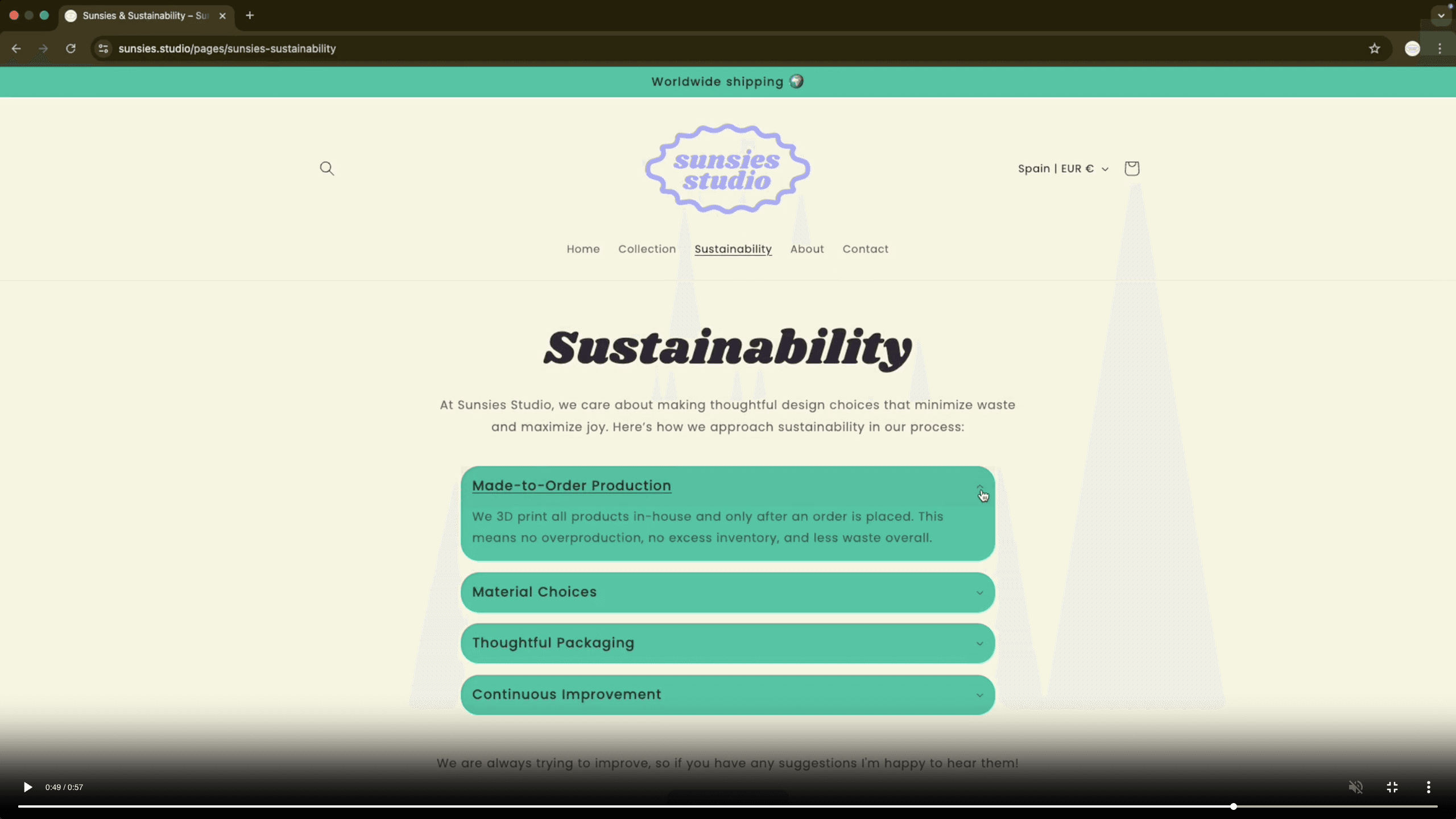
I built Sunsies' e-commerce on Shopify, matching the brand's visual identity, colour palette, product photography style, and copy tone.
Wrap up
Sunsies was never about scale. It was about exploring whether digital making could create emotional connection.
Through this project I learned that craft is not defined by material but by care. A printed object can feel nostalgic and personal when the brand behind it chooses story over efficiency and intimacy over perfection.
In the end I realised something important about my own practice: I love the world building and the storytelling but I enjoy working with my hands and clay more than designing in software and managing printers, so I decided to close Sunsies and follow that path. For now!
Still the project remains meaningful as it taught me how digital craft can be reimagined and how objects small as they are can carry a whole world with them.